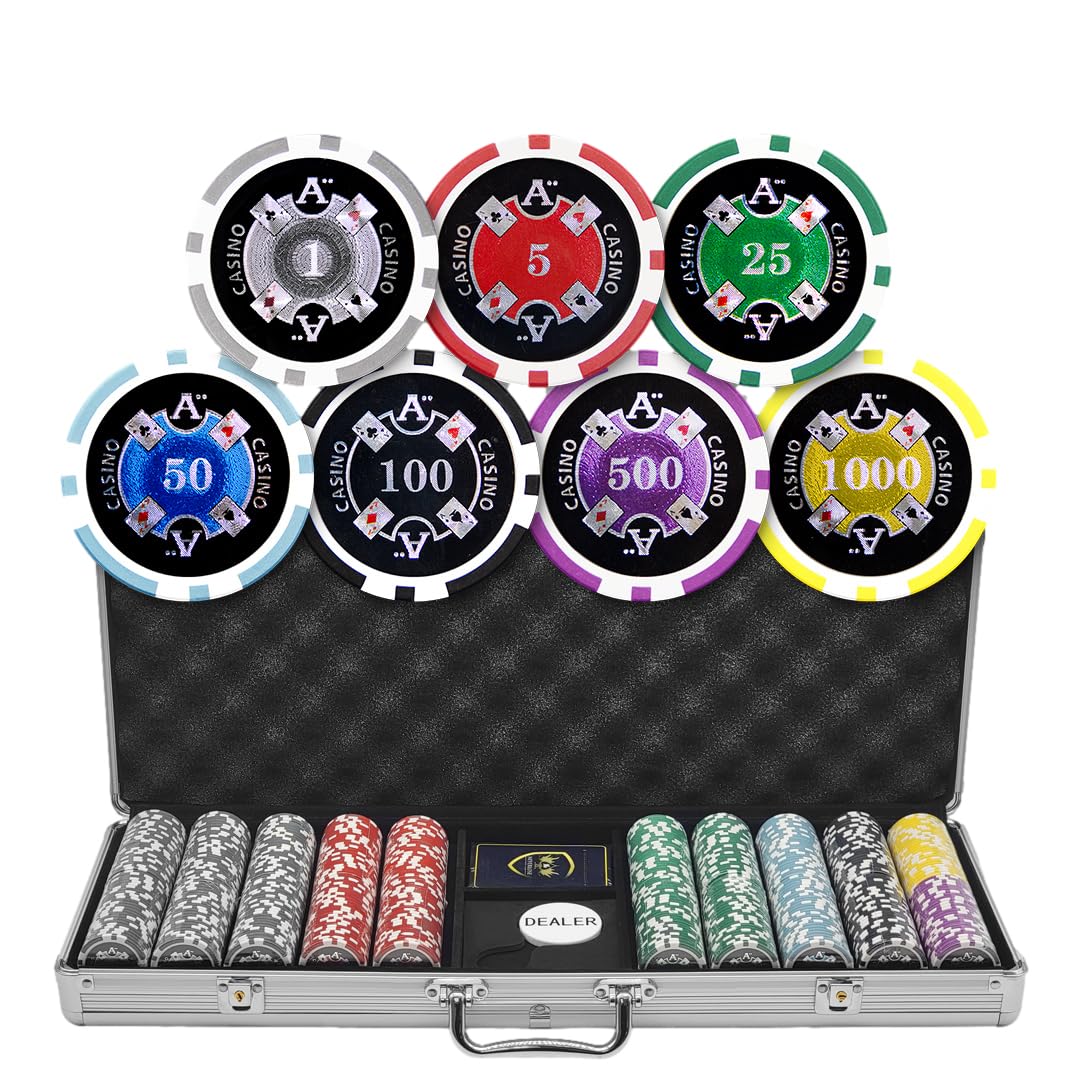


What Is a social casino and How Does It Work in Canada?
A social casino is a game site where play happens with virtual credits, not cash, so there is no deposit to fund a wager and no cash prize to cash out. That distinction drives every other choice. You pick one if you want the mechanics and social features without risking money; you pick a real-money casino if you want a payout and can meet the site’s eligibility, verification and wagering conditions. Virtual credits may be purchasable, but they are generally not convertible back to cash, so any amount you spend is a cost, not an investment. A hypothetical $10 top-up buys credits and nothing more.
See also:
- What Social Casinos Are and How They Differ from Real-Money Gambling
- Operator comparison: games, operator details
- STS — Polish bookmaker not licensed in Canada
- Fat Fruit Casino — overview of the brand and offering
- Mega Medusa is a hybrid bookmaker and casino, and that split shapes everything
- Unibet Canada overview: one platform, Ontario-first availability
- Ubet: Distinct Categories Within One Profile
- How Social Casinos Work in Practice
- Social Casino Access and Regulation in Canada
- Why Canadians Use Social Casinos
- When Social Casinos Make Sense and When to Look Elsewhere
- Frequently asked questions
- Choose Games With Clear Limits and Understandable Rules
What Social Casinos Are and How They Differ from Real-Money Gambling
A social casino lets you play casino-style games without wagering real money, and that single difference drives most of what you choose. You get the same slots, table games and bonuses you find on a real-money site, but the currency inside the game has no cash value and cannot be exchanged for a withdrawal. This is not a trick to access gambling quietly: the design keeps the entire loop inside the app.
The choice between the two comes down to a handful of practical conditions.
| Criterion | Social casino | Real-money gambling |
|---|---|---|
| Currency used | Virtual credits only; no cash deposit or cash-out | |
| Winnings | Cannot be withdrawn as money; value stays inside the game | |
| Registration and ID check | Usually account creation only; no identity verification | |
| Deposit and withdrawal methods | None required; no bank or card linkage | |
| Wagering (playthrough) requirements | Not applicable to credits | |
| Regulatory oversight | Not licensed as gambling; no gambling authority licence | |
| Age gate | Platform age check, generally 13+ or 16+, not 18+ | |
| Risk of financial loss | No money can be lost |
The trade-off is straightforward. You trade the possibility of a payout for the absence of any payment risk. Social casinos also sidestep the verification step that real-money operators require, which is why sign-up is often a one-tap process. That same lack of payment infrastructure means there is no withdrawal limit, no processing time and no fee to review — because there is no money moving.
Some platforms layer in tournaments, leaderboards and friend invites, so the competition is against other players instead of against a house edge on a single hand. Others simply mirror the real-money game catalogue. Check the credits menu and the terms of any bonus: if the offer describes a playthrough, it usually applies to real-money play, not to virtual chips.
Decide on the basis of what you want from the session. If the goal is entertainment without spending money, a social casino answers that directly. If the goal is a payout, the social format cannot deliver it, and the relevant question becomes whether the operator holds a valid gambling licence for your region.
Operator comparison: games, operator details
STS and Fat Fruit Casino raise different questions here, from operator credentials to game selection.
| Brand | Details |
|---|---|
| STS | Polish operator since 2009; licensed in Poland and other jurisdictions, not licensed in Canada. |
| Fat Fruit Casino | Real-money online casino for Canada; slots and live dealer focus, no sportsbook. |
| Mega Medusa | Combined bookmaker + casino; slots, live casino, table games and sportsbook including live and esports. |
| Unibet | Single-account sportsbook, casino and live dealer platform operated by Entain; live in Ontario under iGaming Ontario and blocked in unlicensed provinces. |
| Ubet | Separate sections for sports and casino prevent clutter |
The selection at Fat Fruit Casino matters most if it includes the kind of play you have in mind.
STS — Polish bookmaker not licensed in Canada
STS is a Polish bookmaker that has been running since 2009 and holds licences in Poland and other jurisdictions. Its site carries both a casino and a sportsbook, and it is well known in European markets for sports wagering. In Canada the picture is different: STS does not hold a licence on the Canadian market and is not operating legally here. Ontario’s regulated market, provincial operators and other licensed options are the route to take if you are based in Canada. Browsing an unlicensed site may expose you to weaker dispute recourse and unclear fund protections.
Fat Fruit Casino — overview of the brand and offering
Fat Fruit Casino operates as a real-money online casino for players based in Canada, with a fruit-themed design and no sportsbook. The platform leans on slots and live dealer tables instead of betting markets, which makes it a narrower fit if you want everything under one roof. Licensing, ownership and the exact promotion terms can shift without notice, so check the current information on the site before registering instead of relying on summary lists.
Mega Medusa is a hybrid bookmaker and casino, and that split shapes everything
Mega Medusa runs as a combined bookmaker and casino, so the first decision is which half you are actually using. The sportsbook offers a sportsbook, live betting and esports section, while the casino stacks slots, live dealer tables and standard table games. That split matters because your bonus, your payment routing and the responsible-gaming tools you need tend to differ between the two. The brand targets Canadian players with games and promotions written around that market, but licensing and ownership information is not openly documented in public sources. If you want a clear audit trail for your funds, that gap is the limiting factor to accept before depositing.
Unibet Canada overview: one platform, Ontario-first availability
Unibet Canada runs as a single-account platform, letting one registration cover the sportsbook, casino, live dealer tables and slots. It launched in 1997 and is among the oldest continuously operating gambling brands, which is visible today in its licence coverage instead of in any marketing claim. The operator is Entain plc, a publicly listed UK group that runs the Canadian site through its subsidiaries depending on the province. In Canada the brand is only live where it holds a licence. In Ontario it sits on the iGaming Ontario operator register under that provincial regime. Players in provinces without a licence cannot register, and access is blocked accordingly. That geographic wall is the first thing to check before signing up, and it applies even where the brand is well known elsewhere. Registration itself is straightforward: an email address, date of birth and basic personal details are required, and you must meet your province’s minimum age, which is 19 in most provinces and 18 in Alberta, Manitoba and Quebec.
Ubet: Distinct Categories Within One Profile
Operating as a hybrid platform, Ubet provides separate entry points for sportsbook and casino activities, though they share the same user profile. Sports bettors can access pre-match lines and live updates directly, while casino enthusiasts find their options grouped under distinct tabs for slots and dealer tables. The design avoids mixing these elements, making it easier to focus on one type of game at a time. However, the availability of certain features relies on provincial laws, meaning not every option is open to all Canadian users simultaneously.
How Social Casinos Work in Practice
When you start using a social casino, you typically receive an initial allocation of virtual coins at no cost. These platforms operate on a free-to-play model where you can access games, spin slots, play poker, or try other casino-style offerings without depositing money or providing payment information.
As you play, your virtual currency balance fluctuates. Wins increase your token count; losses decrease it. The games use the same mechanics as real-money versions—random number generators, paylines, card distributions, and rule sets—but the stakes are purely virtual. A slot jackpot might award 50,000 virtual coins, which sounds substantial until you remember those coins cannot leave the platform.
Most social casinos replenish your virtual currency through daily bonuses, timed refills, or promotional giveaways. Log in each day and you might receive a loyalty bonus. Wait a few hours after depleting your balance and the platform may grant a refresh. These mechanics ensure you can keep playing without spending money, though the pace of free replenishment varies by platform and is designed to encourage extended engagement.
In-app purchases offer a shortcut to more virtual currency. Instead of waiting for free refills, you can buy coin packages at various price points. A platform might sell 100,000 virtual coins for $4.99 or 500,000 for $19.99. These purchases do not change the fundamental rule: the coins you buy remain non-withdrawable entertainment tokens. You are paying for more playtime and the experience of higher-stakes virtual betting, not for a chance to profit.
Game libraries at social casinos typically include slots, video poker, blackjack, roulette, and sometimes bingo or specialty games. The variety and quality depend on the platform’s partnerships with game developers. Some social casinos feature the same slot titles you would find at real-money sites, licensed from providers who offer both real-money and free-play versions of their games. Others develop proprietary titles designed specifically for virtual currency play.
Social features distinguish these platforms from solo gaming apps. Many social casinos include leaderboards, tournaments, friend invitations, gifting systems, and chat functions. You might compete against other players for the highest virtual winnings over a weekend, send bonus coins to friends, or unlock achievements that grant additional currency. These elements emphasize the entertainment and community aspects instead of financial outcomes.
The absence of real money creates a different risk profile. You cannot lose more than you choose to spend on optional coin purchases. There is no risk of chasing losses with actual funds, no withdrawal delays, and no payment method disputes. The trade-off is equally clear: you also cannot win money, convert virtual success into financial gain, or treat the platform as anything other than a paid or free entertainment service.
Social Casino Access and Regulation in Canada
Social casinos that offer only virtual currency with no cash value operate in a different regulatory space than real-money gambling sites. Because players do not wager actual money for a chance to win real money, these platforms typically do not require gambling licences from provincial regulators such as the Alcohol and Gaming Commission of Ontario or lottery corporations in other provinces.
Seneca niagara casino login account access
This distinction means social casinos can be available across Canadian provinces without navigating the patchwork of provincial gambling laws that govern real-money online casinos and sportsbooks. A resident of British Columbia, Alberta, Ontario, or Quebec can access the same social casino platform without the geographic restrictions that apply to provincially regulated gambling sites.
The regulatory exemption comes with a significant trade-off in player protection. Real-money casinos operating under provincial oversight must meet responsible gambling requirements, provide self-exclusion tools, verify player identities and ages, follow anti-money-laundering protocols, and submit to regular audits. Disputes can be escalated to the regulator. Social casinos face no equivalent oversight because they are not offering gambling in the legal sense.
This means you have less recourse if something goes wrong. If a social casino changes its terms, removes features, or denies you access to your virtual currency balance, you are dealing with a private company’s terms of service instead of a regulated gambling operator bound by provincial standards. Virtual currency has no cash value, so there is no financial loss to dispute in the way you could contest a withdrawal problem at a licensed casino.
Age verification is another area where social casinos differ. While real-money gambling sites in Canada must verify that players meet the provincial age requirement—18 in Alberta, Manitoba, and Quebec; 19 in Ontario, British Columbia, and most other provinces—social casinos may use less stringent age checks or rely on app store age ratings. Parents concerned about children accessing these platforms should note that the absence of real money does not prevent engagement with gambling-style mechanics or in-app purchases.
If a social casino also operates a sweepstakes model with redeemable currency, the regulatory picture becomes more complex. Sweepstakes platforms with cash redemption may face scrutiny depending on how provincial or federal authorities interpret their mechanics. The legal status of such models in Canada is not uniformly settled, and platforms offering both social play and redeemable prizes may restrict access to certain provinces as a precautionary measure.
Unibet’s legality in Canada hinges on which province you are in, not on a single national permit. In Ontario it runs under a licence issued by iGaming Ontario and appears on that regulator’s published operator register, so an Ontario player can confirm coverage by checking the list before registration. Outside Ontario the picture changes: the operator works through provincial frameworks that grant or deny access, and in provinces without an active legal online market there is no onshore authority behind the site. A licence matters because it sets the floor for dispute handling, fund segregation and complaint routes; without one, those safeguards rely on the operator’s own policies and whatever consumer protection law applies to unregulated gambling. Treat provincial eligibility as the deciding factor, and verify the register entry for your province instead of assuming coverage based on the brand’s international reputation.
Jackpot casino ontario | progressive
Why Canadians Use Social Casinos
The primary appeal of social casinos is risk-free entertainment. You can experience the audiovisual excitement of slot games, the strategic decisions in blackjack, or the anticipation of a roulette spin without financial consequences. For players who enjoy the mechanics and atmosphere of casino games but do not want to gamble real money, social casinos provide that experience without requiring a deposit, payment method, or provincial gambling account.
Practice is another common motivation. Before playing at a real-money casino, some players use social casinos to learn game rules, understand paylines, test betting strategies, or build familiarity with specific slot titles. While demo modes at licensed casinos serve the same purpose, social casinos offer a persistent environment where you accumulate a virtual balance over time, which can feel more engaging than isolated demo sessions.
Social features add another dimension. Competing on leaderboards, sharing achievements, sending virtual gifts to friends, or participating in community tournaments creates a multiplayer experience that single-player gambling lacks. For players who value the social and competitive aspects of gaming over financial outcomes, these platforms offer a way to engage with others around casino-style games without the tension that real-money stakes can introduce to social interactions.
Accessibility matters for some users. Social casinos do not require age verification beyond app store ratings, do not demand identity documents, and do not involve setting up payment methods or navigating withdrawal processes. This lowers the barrier to entry for casual exploration, though it also removes the safeguards that protect vulnerable individuals from gambling harm.
The trade-off is absolute. Zero financial risk means zero payout potential. Every spin, every hand, every bet resolves into virtual tokens that will never become real money. For players whose interest in casino games is purely entertainment, this trade-off is acceptable or even preferable. For those hoping to win money, social casinos are the wrong tool entirely.
Some players also appreciate the absence of gambling-related stress. There is no decision about when to stop to protect your bankroll, no temptation to deposit more to chase losses, and no possibility of significant financial harm. The worst outcome is running out of virtual coins, which the platform will replenish for free after a waiting period or through daily bonuses.
When Social Casinos Make Sense and When to Look Elsewhere
You get the most from a social casino when your goal is fun without risking money. You spend time on a game, not on a bankroll. Virtual credits carry no cash value and cannot be turned into a payout. That trade-off is the whole point: the price of play is the credits, and the credits are gone when you cash out of the session.
When virtual credits fit your game
This format works well if you want to practise a game’s rules, test a strategy or just enjoy the theme without watching your balance. The credits reset or refill on a schedule set by the app, so play continues without a new transaction. It suits people who set a time limit and treat the app as entertainment. It also suits anyone who wants to explore a game’s mechanics before deciding whether a real-money version is worth their attention.
When to look elsewhere
Choose a real-money site only if you actually want to stake cash and, where it is legal in your province, withdraw winnings. That path brings deposit limits, identity verification and wagering conditions attached to any bonus. It also means every spin can reduce your cash balance. Social play never does. If your reason for logging in is recovery, profit or a quick income, neither option fits. Neither offers a reliable return. Take a break instead and set a spending limit before opening the app.
Frequently asked questions
Can I play social casino games in every Canadian province?
Usually, yes, because these games do not involve wagering real money. Still, provincial rules vary and some operators restrict access from certain regions. Check the site’s terms and any local rules before creating an account.
Do social casinos let me cash out winnings?
No. You play with virtual coins or credits that have no cash value, so there is nothing to withdraw. If you want real money payouts, that is a real-money casino, not a social one.
What happens to my virtual coins if the site changes its terms or closes?
Your balance is governed by the operator’s terms of service, not by provincial gambling standards. A change to those terms, a removal of features, or a denial of access means you deal with the private company’s rules, not a regulated operator.
Choose Games With Clear Limits and Understandable Rules
Look for a game whose rules fit in one screen and whose stakes you can name before players press spin. A social casino should show coin cost, how a round ends, and what wins it, without burying those details behind menus or pop-ups. When limits are visible, you can set a hard spend cap; when they are not, you lose control of the session before players notice. Check the game settings for a spend limit and a timer, and turn both on. If the app refuses to let you set a cap, treat that as a reason to stop. Set a loss limit and stop when you reach it; chasing losses only deepens the cost.