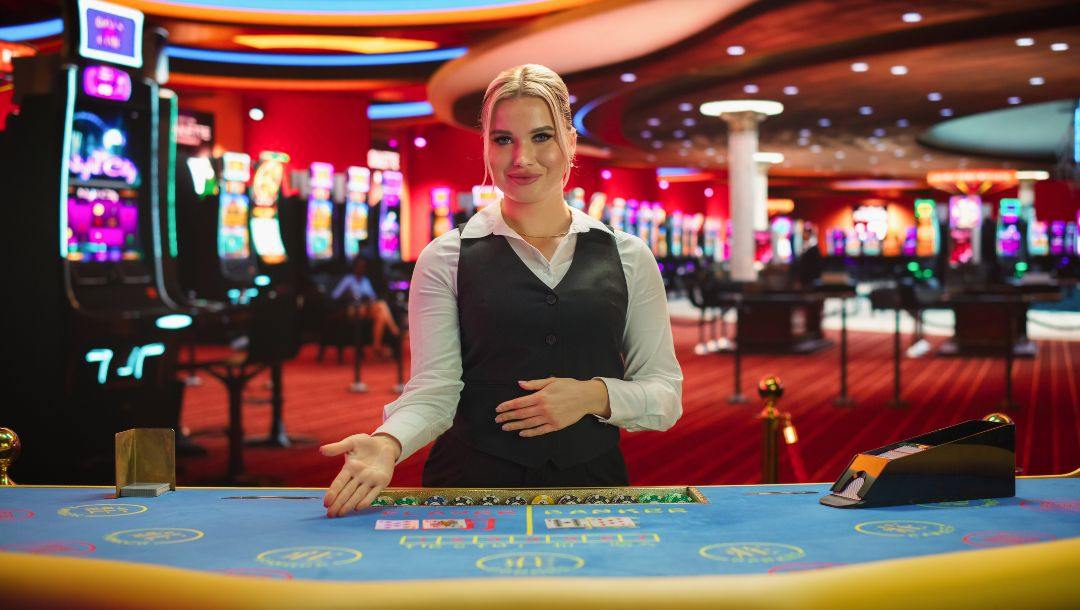
Chances casino: slot, bingo and table costs per hour
A casino site that looks Canadian from its colour scheme or English-language home page is not automatically licensed to operate in the province where you play. British Columbia, Quebec and the other provinces each run their own legal framework, and a single operator may hold a licence in one province while being unlicensed in another. The deciding factor is the licence and its issuing province, not the website’s branding or the currency it shows. Check the site’s terms and its licence notice for the province named on the certificate, then confirm that province against your own residence.
See also:
- Understanding the Chances Casino Network in British Columbia
- Operator comparison: games, accounts and verification
- Slot Madness: Age and Identity Verification Rules
- Oslobet: sportsbook and casino under one account
- Pistolo: Unified Account Structure
- Wazamba: Mobile-First Casino Access
- SlotExo: one account, three verticals
- Floor Mechanics: Electronic Slots, Paperless Bingo, and Virtual Tables
- Provincial Regulation, Host Municipalities, and Local Revenue Sharing
- Brand Clarification: Physical Community Venues Versus Online Platforms
- Patron Entry Standards, GameSense Integration, and Practical Spending Controls
- Frequently asked questions
- Recognise the Signs That Gambling Is Becoming Difficult to Control
Understanding the Chances Casino Network in British Columbia
The Chances Casino network in British Columbia is not a single licence held by one company. It is a group of branded online venues that operate under a shared set of floor mechanics and game arrangements. For a player choosing where to deposit, the relevant criterion is which brand holds the operating licence for your province, not which logo looks most familiar.
The distinction matters because the same game can appear on several sites while the contract governing play differs. One brand might run on a licence issued to the host municipality, another on a provincial arrangement, and a third on a separate agreement. The games do not change; the rules that apply to them do.
| What to check | What it tells you | What it does not prove |
|---|---|---|
| Licence holder named on the site | Which legal entity is responsible for your account | That the brand’s marketing claims are accurate |
| Province listed in the footer or terms | Whether your location is covered by that licence | That deposits, bonuses or withdrawals are allowed there |
| Host municipality mentioned in the terms | Where the governing revenue and compliance terms originate | That a second brand with the same games shares those terms |
A quick way to test this is to open the footer and read the licence line. If the page names a British Columbia municipality and a provincial regulator, that brand’s terms govern your play. If the footer lists a different jurisdiction, the site may not be covered for BC players even if the same slot is visible. The same logic applies to the reverse: a brand that lists BC in its footer does not automatically mean its sister site does.
The practical outcome is that you should treat each brand as a separate contract. Do not assume that a bonus, withdrawal speed, or loyalty credit on one site travels to another under the same network name. When in doubt, the licence line and the province in the terms are the two facts worth reading before depositing.
Operator comparison: games, accounts and verification
You can play without accepting any introductory offers.
| Brand | Details |
|---|---|
| Slot Madness | Slots from top providers drive 100% wagering contribution; table games often contribute less or are excluded. |
| Oslobet | Sportsbook and casino under one account; Canadian regulatory standing not confirmed. |
| Pistolo | Random number generator games versus externally determined sports results |
| Wazamba | Browser-based play on iOS/Android |
| slotexo | Slots, live casino and sportsbook from one operator |
At Oslobet, check what counts as a repeat registration before starting again.
Slot Madness: Age and Identity Verification Rules
Slot Madness operates as a licensed online casino for Canadian players, requiring users to be at least 19 years old or meet their province’s legal gambling age. Account creation demands personal details including name, date of birth, email and residential address, with identity verification potentially extending the timeline by 24 to 72 hours before withdrawals are processed. A single account rule applies strictly; opening multiple profiles risks forfeiture of any winnings.
Oslobet: sportsbook and casino under one account
Oslobet is a sportsbook and casino under one account, so you can shift from a pre-match NHL line to a live dealer table without logging in again. That shared wallet is the real advantage: one set of credentials, one promotions area and a single balance across both verticals. The catch is that its registration and regulatory standing for the Canadian market are not confirmed. Until that is clarified, you should treat it as a supplementary option instead of your primary wallet, keep stakes modest and read every bonus term before committing larger sums.
Pistolo: Unified Account Structure
The operator positions itself around convenience for Canadian users by merging traditional sports betting with a full online casino suite. This structure allows you to monitor odds fluctuations in real time or engage with automated gaming options without managing multiple accounts. Availability depends on whether you prioritize dynamic market movement or static game selection at any given moment.
Wazamba: Mobile-First Casino Access
The platform’s Japanese-themed interface hides a robust library of real-money slots and live dealer tables. Users access these games through mobile browsers on iOS or Android, avoiding the need to download separate applications. Identity verification typically precedes withdrawals, aligning with standard anti-fraud protocols regardless of the device used to play.
SlotExo: one account, three verticals
SlotExo is an online casino built for Canadian players that bundles slots, live dealer games, and sports betting into a single account. That design lets you move from a roulette table to a hockey wager without opening a second site. Slots span classic three-reel machines, video slots with bonus rounds, and progressive jackpots. Live tables use real cards and real dealers, so play follows a physical table instead of a software simulation. The sportsbook covers football, basketball, and hockey, with pre-match and in-play markets. This hybrid approach suits players who want everything in one place, but it is not as deep as a specialist site in any single area. A bookmaker that also runs a casino typically offers fewer prop bets and less granular live data than one built around sports from the ground up.
Floor Mechanics: Electronic Slots, Paperless Bingo, and Virtual Tables
The floor matters most for how a game actually behaves, not for how much it advertises. Electronic slots, paperless bingo and virtual tables each use a different control surface and a different audit trail, so the same wager can feel very different depending on which machine or table you choose. The practical question is therefore not which option is best in general but which one fits the way you want to play.
Electronic Slots
Electronic slots are the fastest part of the floor and the most demanding on bankroll. A single spin costs one predetermined bet and resolves in seconds, which means hundreds of wagers can accumulate before a patron notices. The machine displays the paytable, the return-to-player percentage and any special symbols before the first spin; that information is what determines how often wins occur and how large they can be, not the speed of the buttons. A common trap is to treat a long losing streak as a signal that a win is due. It is not. Each spin is independent, and the machine does not track your losses to adjust future results.
Paperless Bingo and Virtual Tables
Paperless bingo replaces printed cards with an electronic session that marks numbers automatically. The benefit is speed and accuracy, not lower cost: each dab costs the same as the printed card it replaces, and the game still ends only when someone completes the required pattern. Virtual tables bring live or computer-dealt cards, roulette wheels and dice to a screen. They reproduce the pacing of a physical table and add camera angles, but the house edge is set by the game rules and the bet limits, not by the display. If you want slower play and more decisions per hour, virtual tables usually suit that better; if you want many quick outcomes, slots deliver that.
The deciding factor is time and money per hour. Calculate an approximate cost by multiplying the average wager by the number of decisions the game makes in an hour, then compare that figure across the options you can actually reach. If the result is higher than you intended, switch games or leave the floor instead of trying to recover the difference.
Wazamba builds its product around slots instead of treating them as one category among many. Slot games form the core of the catalogue, which is described as large and assembled from multiple software providers. Live dealer tables are typically present, but they function as an addition to the reel experience instead of the main draw. That priority shows in how the library is organised around slot variants and popular titles instead of around a balanced mix of genres. The result is straightforward navigation if you know what you want, and a narrower sense of discovery if you enjoy jumping between games Wazamba does not carry. The library is broad enough for a regular session, but it is not a specialist catalogue for collectors.
Cobra casino | financial security
Provincial Regulation, Host Municipalities, and Local Revenue Sharing
Legal gambling operations in British Columbia operate under a dual-agency model that divides commercial management from regulatory enforcement. The British Columbia Lottery Corporation acts as the provincial crown corporation responsible for conducting, managing, and operating commercial gaming facilities, including the network of community gaming venues. Oversight and regulatory compliance remain strictly separate, managed by the Gaming Policy and Enforcement Branch of the provincial government. This division ensures that the entity operating commercial facilities does not simultaneously police its own rules, establishing independent audit standards across every venue.
Regulatory Enforcement and Operational Standards
The Gaming Policy and Enforcement Branch maintains regulatory integrity by establishing technical standards for gaming equipment, conducting rigorous background checks on industry employees, and auditing financial transactions. Every electronic terminal, bingo system, and accounting mechanism deployed on a venue floor must receive regulatory certification before accepting wagers. Provincial inspectors conduct unannounced site visits to verify adherence to anti-money laundering protocols, mandatory identification checks, and equipment integrity standards. These measures align physical venues with provincial public safety goals while protecting consumer fairness.
Host Local Government Revenue Sharing
Municipalities and regional districts that host community gaming properties receive a direct financial allocation generated from commercial gaming revenues. Under provincial agreements, host local governments are allocated ten percent of net gaming income earned from slot machines and other electronic terminals operating within their municipal boundaries. This funding stream provides predictable municipal revenue that supports local infrastructure projects, community parks, emergency services, and capital improvements without requiring direct property tax increases.
Community Grants and Non-Profit Support
Beyond municipal infrastructure allocations, a substantial portion of commercial gaming proceeds is channelled back into provincial non-profit organizations, amateur sports programs, and charitable initiatives. By funding community grants through provincial distribution channels, the operational model ensures that regional gaming activities contribute to social programs across British Columbia. Local community groups, cultural associations, and social service providers apply for these grants to sustain local programs, bridging funding gaps for community-based initiatives.
Which government body regulates community gaming facilities in British Columbia?
The Gaming Policy and Enforcement Branch regulates all legal gambling operations, enforcing standards and auditing compliance across provincial venues.
How do host municipalities benefit from having a community gaming venue?
Host local governments receive ten percent of net gaming revenue generated from slot terminals and electronic games within their boundaries to fund local infrastructure and services.
Slot Madness operates under a licence issued by a recognised regulatory authority, and that licence is the foundation of the player protections available in Canada. What matters most in practice is not that a licence exists, but that it gives you a defined path when something goes wrong: if an unresolved dispute cannot be settled directly with the operator, it may be escalated to the licensing authority or to an alternative dispute resolution provider. This route only works while the operator remains licensed and in good standing, so the licence number and the issuing authority shown on the site are worth checking before depositing instead of after a problem appears. Slot Madness also backs that regulatory framework with technical safeguards: its games are regularly tested by independent auditors for randomness and fair outcomes, its site uses SSL encryption to protect personal and financial data, and player information is handled in line with applicable privacy laws and the operator’s own privacy policy. Keep in mind that the licence does not make the operator immune to poor decisions; it simply defines the authorities and procedures available to you. Terms and conditions may be updated periodically, and players are expected to review the current version before relying on it, so treat the licence and the published terms as the two documents that together set the rules of play.
Low deposit casino | withdrawal floor
Brand Clarification: Physical Community Venues Versus Online Platforms
The key distinction is not the games themselves but where the licence sits. A venue operated by a provincial authority is a physical space: entry, age check, and any card-based access happen at the door, and the same operator may run an online site under a separate licence. The site is a different product with its own registration, payment methods, and bonus terms.
The result for a player is that a brand name does not travel automatically. A community venue, an online casino, and a provincial gaming platform can look alike but answer to different regulators, different age limits, and different spending-control tools. Confirm which one you are on by checking the footer licence statement and the jurisdiction named there, then match it to your province and age.
| Aspect | Physical community venue | Online platform |
|---|---|---|
| Entry and identity | On-site age and identity check before play | Account registration and document upload before play |
| Licence | Provincial authority licence for land-based games | Separate licence or registration for the digital site |
| Spending controls | Card entry limits set at the venue | Deposit, loss or session limits set in account settings |
| Game access | Electronic slots, paperless bingo, virtual tables on site | Slots, table games, live games through the browser or app |
A physical card, a player club account, or a venue visit does not give access to the online product, and online account activity does not appear at the venue. If you want both, you generally need a separate account on each.
Watch the fine print in the footer and terms instead of the logo: the licence number and jurisdiction tell you which rules apply, including age eligibility and where funds are held. If the stated jurisdiction does not match your province or your age, stop and verify before depositing.
Patron Entry Standards, GameSense Integration, and Practical Spending Controls
Access to community gaming venues in British Columbia is subject to strict statutory requirements designed to prevent underage gambling and maintain public safety standards on the gaming floor. Provincial regulations mandate that any individual entering a gaming facility must meet the legal minimum age requirement of 19 years. Security personnel stationed at primary entry points enforce this standard through mandatory identification checks. Every patron seeking admission must present valid, unexpired government-issued photo identification upon request. Acceptable credentials include a valid British Columbia driver’s licence, a provincial identification card, a Canadian passport, or recognized equivalent government documentation bearing a clear photograph and birth date. Individuals unable or unwilling to verify their age are denied entry without exception, ensuring compliance with provincial statutes administered under the authority of the Gaming Policy and Enforcement Branch.
On-Site Player Support and GameSense Advisor Integration
Beyond physical security and age verification, provincial facilities incorporate structured player support resources directly onto the gaming floor. GameSense information centres operate as visible fixtures within these properties, staffed by trained specialists dedicated to promoting informed play. Unlike traditional customer service desks focused on promotional offers or cash handling, GameSense advisors provide objective information regarding house edge mechanics, the probability of random outcomes, and the structural realities of electronic gaming terminals. These professionals help patrons understand spending limits, recognize early signs of problematic betting behavior, and navigate available intervention tools without judgment or commercial bias.
Great blue heron casino photos
The integration of these support services extends beyond casual informational handouts. GameSense staff actively assist visitors in establishing personal boundaries before engaging with slot terminals or electronic table games. Patrons can utilize tools to track session duration and monitor total expenditures, transforming abstract financial limits into actionable safeguards. When betting behavior begins to exceed intended personal thresholds, advisors facilitate immediate connections to professional counselling services and regional support networks available across British Columbia.
Voluntary Self-Exclusion Program Administration
For individuals requiring a formal break from gambling activities, the province administers a comprehensive voluntary self-exclusion program across all legal gaming properties, including community venues. This administrative mechanism allows a patron to request a formal ban from entering any commercial gaming facility within British Columbia for a predetermined duration, typically ranging from six months to three years or longer. Enrolling in the program involves completing an intake process with security or GameSense personnel, where individuals submit identifying details and recent photographs that are securely shared with venue staff across the provincial network.
Once an exclusion agreement is active, attempting to enter a restricted property constitutes a trespass violation. Facility staff monitor entry points using both trained personnel recognition and digital surveillance systems. If an excluded individual is identified on the gaming floor, staff intervene to escort the patron off the premises. The program also covers digital accounts managed through the provincial online portal, ensuring that self-exclusion applies uniformly across both physical venues and authorized internet channels. This dual-environment approach provides a consistent barrier for individuals seeking structured assistance in managing their gambling habits.
Slot Madness provides a live casino section with real dealers streaming from studio or casino floor environments.
High 5 Casino Real Slots | Which RTP
Frequently asked questions
When is a bonus credited, and can I lose it?
Bonuses are usually credited after a deposit or an opt-in action, but the amount and validity period come from the promotion terms, not the landing page. A bonus expires on the stated date and often has a wagering requirement. Check those conditions before playing.
What happens if a game round freezes before it finishes?
A stalled round is not automatically lost and not automatically won. Most platforms record the wager and the final state on the server, then reconcile the client display when the connection recovers. If the result was settled, the credit appears in your account and you cannot play that round again.
If nothing appears, do not place a second wager on the same round. Take a screenshot showing the game title, your balance before and after, and the error message, then contact the casino with that record. The operator checks its transaction log for the round ID, not the visual state of your screen.
How do I see whether my deposit actually reached the casino?
A bank notification is not proof of a completed deposit. Inspect the casino account balance and the site’s transaction history, which is the record of accepted deposits. If the bank charged you but the account shows no funds, treat it as a pending transaction and ask support to trace the payment reference.
Recognise the Signs That Gambling Is Becoming Difficult to Control
If you are chasing losses to recover money already spent, or treating gambling as a way to earn income, the game is no longer working for you. Set a strict spending limit before playing, and treat any amount over it as already lost. Watch for the pattern of playing longer than planned to recoup a loss — that is the point where control slips. British Columbia sets a legal minimum age, and OLG operates the provincial self-exclusion scheme so you can ban yourself from all local venues and online platforms at once. A real help line, ConnexOntario at 1-866-531-2600, offers free, confidential support for players in Ontario; other provinces have their own services. Never gamble to recover losses — stop and reassess.