
leovegas app | identity checks come before registration, not after
The LeoVegas app is a mobile access point for an online casino, not a licence. Its presence on an app store or a browser shortcut tells you only how to reach the operator, not whether the operator is allowed in your province. Canadian online gambling is licensed at the provincial level, so the same brand may be available through an Ontario licence, through another provincial operator, or not at all depending on where you are.
A practical check is the licence number shown in the site footer, paired with the registry that issued it. The app itself often uses geolocation to confirm location before letting you play. Treat the app as the door and the provincial registration as the reason you can walk through it.
See also:
- What the app’s presence does—and does not—tell you
- LeoVegas: mobile access
- Canadian authorization is a provincial question
- A verification routine before registration
- Account access, identity checks, and geolocation
- Deposits and withdrawals require the same identity check
- Features that still require independent confirmation
- Responsible gambling controls are not authorization evidence
- A simple decision rule
- Frequently asked questions
- Balance App Convenience Against Your Gambling Boundaries
What the app’s presence does—and does not—tell you
Finding the LeoVegas app on a store or a web page tells you only that an app package exists — not that the operator holds a Canadian licence, that your bank details will be safe, or that deposits clear in any given time. Presence is a distribution fact, not a compliance fact.
Casino extreme reviews | deposits
Distribution is not authorization
Apps and mobile websites are published on the same principles in markets where the operator is licensed and in markets where it is not. A listing therefore separates two questions. Does LeoVegas offer a LeoVegas for iOS or an Android client for this account? And does the account itself belong to a jurisdiction where the casino is permitted to accept Canadian players? The first question resolves through the app store page or the mobile site. The second resolves only through the licence shown on the operator’s site and the provincial regulator’s register.
Check the package, not the badge
A download icon or a five-star review reflects popularity and installation behaviour, not regulatory standing. Treat any badge, rating or award as marketing. The concrete check is the licence number and the regulator printed in the site footer, then a matching entry in the provincial register for the province from which you are playing. If the app appears but the register entry does not, you have an available client and an unresolved legal question — not a green light.
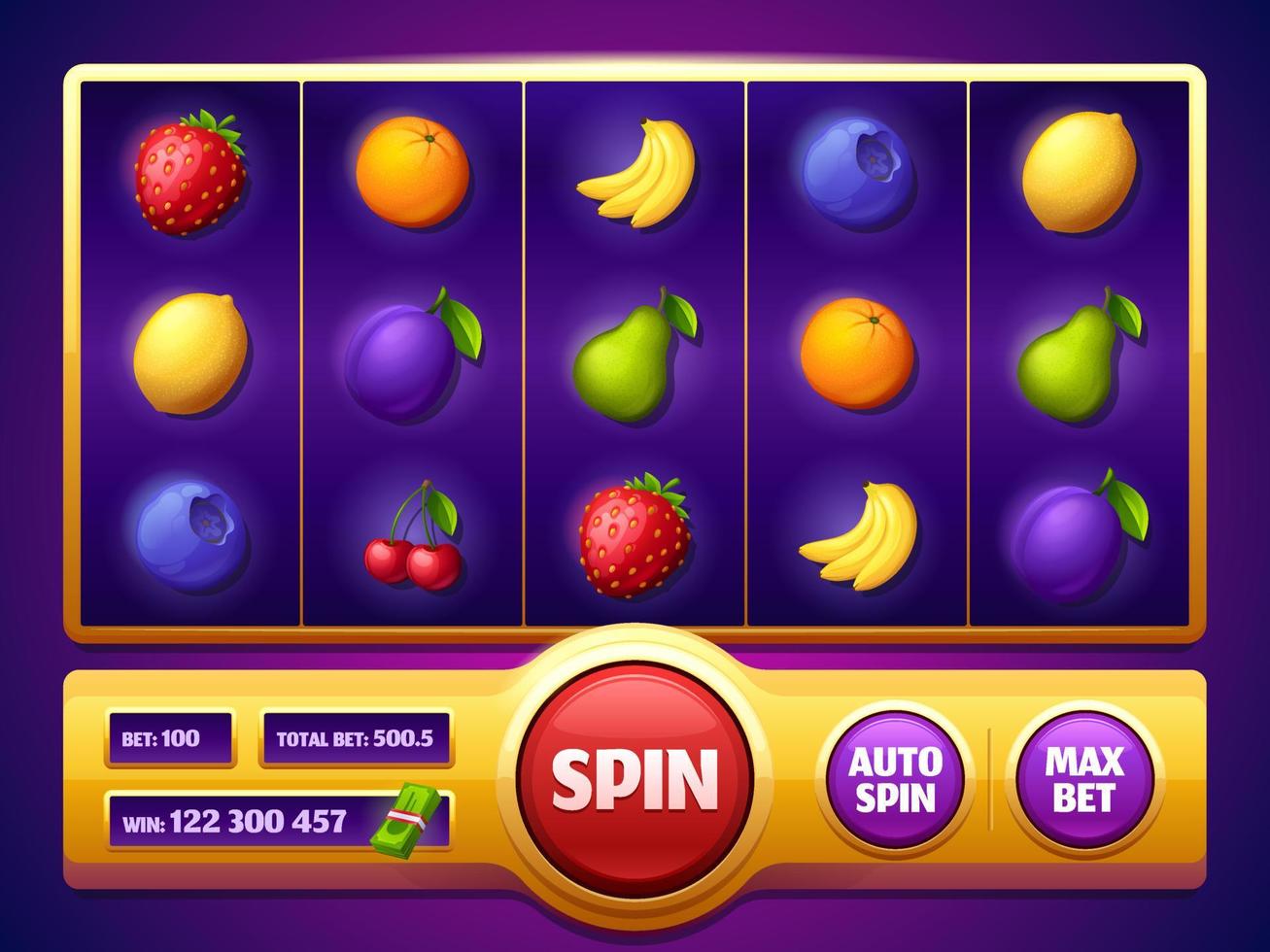
LeoVegas gives Canadian players two ways to play on a phone, and the choice comes down to how much storage you want to spare. The dedicated application for both iOS and Android is built for steady gameplay and a layout that fits a small screen. Downloading it from the Apple App Store clears one step: the platform already knows your device and you can log in straight away. Android users can take the same route through the Google Play Store, or grab the installer directly from the LeoVegas website if the store listing isn’t available in their region. Both versions handle the routine work—topping up an account, requesting a payout, messaging support, and spinning the full game catalog—without forcing a browser refresh.
LeoVegas: mobile access
On a mobile device, verify if an operator permits prepaid voucher withdrawals. Most platforms restrict these to deposits only. You cannot cash out winnings back to the same code. This constraint dictates your payment strategy before playing.
How does access to LeoVegas work on a phone?
| Brand | Details |
|---|---|
| LeoVegas | LeoVegas offers dedicated mobile applications for both iOS and Android devices, optimised for smooth gameplay and easy navigation. |
Players can also access LeoVegas directly through mobile web browsers without downloading an app, with a responsive design adapted for smartphones and tablets.
Canadian authorization is a provincial question
Canada does not have one uniform online casino authorization that automatically applies from coast to coast. Provincial and territorial frameworks govern access, operator oversight, and the permitted forms of gambling. The consequences differ by jurisdiction, so a site that may be offered in one province should not be assumed available in another. A player also cannot infer permission merely because a lottery corporation operates other regulated gambling products in the same province.
Ontario operates through iGaming Ontario, which regulates its online casino market. Other jurisdictions use different regulatory structures, often involving provincial lottery corporations or other provincial authorities. Those broad distinctions do not prove that any particular foreign-facing brand is authorized anywhere. They explain why the correct check begins with the player’s province instead of with a general claim that online casino gambling is legal in Canada.
Why foreign authorization is a separate question
A foreign licence can be genuine without creating permission to accept Canadian customers. Its scope is determined by the regulator and jurisdiction that issued it. It may concern the company named in the licence, particular domains, permitted products, and geographic conditions. It does not substitute for provincial authorization, and the fact that an offshore site can be reached from Canada does not establish local legality.
A Canadian player should avoid shorthand such as “licensed, therefore legal here.” The complete answer requires two separate findings: first, which entity is actually operating the destination; second, whether that entity is authorized to provide the relevant gambling service to the player in the province where the player resides. If either finding remains unresolved, the prudent conclusion is that local status is unconfirmed.
A verification routine before registration
LeoVegas does not let you register an account before it has confirmed who you are. This is the reverse of most casual sign-ups and it is the specific friction you will meet when you install the LeoVegas app or open the mobile site in Canada. The operator’s business logic is straightforward: it cannot release a bonus, accept a deposit or authorise a withdrawal to a name it has not matched to a government-issued identifier. The check lives inside the account, so you must supply it before the balance can move.
The routine itself is a document upload, not a credit check or a background investigation. In practice the app or the mobile browser will ask for a government photo ID, a recent utility bill or bank statement, and sometimes a selfie held against that same ID. Each item serves a different purpose: the ID establishes the legal name and date of birth, the bill pins a physical residential address, and the selfie ties the two to the person standing in front of the camera. A hypothetical example makes the boundary visible — a driver’s licence alone would typically fail an address verification even though the name and birth date are legible, because the document is issued by a province and does not show a current street address.
The friction has a practical upside you should weigh. Because the operator has already matched your documents to your profile before funding it, the withdrawal queue is shorter once you are verified. You are not depositing into an account that will later ask for the same paperwork. This is why the routine matters more than it looks: a verified account and an unverified one have identical game access, but very different cash-out behaviour.
LeoVegas opens a Canadian account in minutes, but the step that most often stalls registration is the age check. Enter a working email, build a password you won’t reuse elsewhere, and tick both the terms of service and the age declaration. The site validates the email before players can place a wager, so use an inbox you actually check. If the address bounces or lands in spam, the account stays inactive until you supply a reachable one.
Eligibility hinges on province. You must be 19 in most Canadian provinces, or 18 in Alberta, Manitoba, and Quebec. Selecting the wrong birth date trips the verification gate later, not at sign-up, which means a completed registration can still hit a wall when you try to cash out.
Verification usually arrives as a prompt instead of a barrier. Under KYC rules, LeoVegas asks for a government-issued ID and proof of address, and occasionally a document proving you own the payment method on file. Clarity matters: a photo taken in low light with a finger over the corner drags the review from a few hours to several business days. Have a passport or driver’s licence ready before paying money in, since the request may land before your first withdrawal.
Account access, identity checks, and geolocation
If a player uses a locally authorized destination, the operator may require identity verification. KYC, or “know your customer,” generally involves comparing registration information with appropriate identity documents and may include proof of address or other checks. These procedures can reduce fraud and help an operator meet regulatory obligations, but the existence of a KYC form does not itself verify that the operator is authorized.
Geolocation is another control that may be used to determine whether a service is offered in a player’s jurisdiction. A phone’s GPS location, an IP address, and the location declared during registration are different signals and may not agree. A failed or imprecise location check can have several explanations, including travel, network routing, device settings, or an outdated address. It is not automatically evidence of misconduct, nor should it be treated as a technique for bypassing provincial rules.
A discrepancy between profile details, location, and verified identity should be resolved before depositing money. The player should use the operator’s published support process, ask for an explanation, and avoid creating multiple accounts after a mismatch. Repeated attempts under different names or locations can complicate identity checks and may trigger account restrictions on a regulated service.
What identity documents reveal
An identity request does not give the player permission to upload documents to an unverified destination. Sensitive information should be entered only when the operator, destination, and local status have been checked. The player should also confirm what information is genuinely required, how it will be used, and what retention terms apply before submitting it.
A legitimate regulated process may require more information than a simple account form. That does not make every data request acceptable by default. A request for passwords, full banking credentials, or unrelated personal data through chat or email should be treated cautiously, particularly when the operator’s authorization has not been established.
Deposits and withdrawals require the same identity check
Payment protection depends on the destination being legitimate and the account belonging to the verified customer. Interac deposit, e-transfer, and debit or credit card options may be offered in Canadian regulated markets, but no method should be assumed to be accepted. Availability depends on the operator and province, and an app may not support every feature available on a website.
Before paying in money, a player should confirm the account holder’s name, minimum and maximum amounts, transaction fees, withdrawal conditions, and identity requirements. These details should come from the operator’s published terms. A deposit method does not create an obligation to honour an account if the operator’s identity or authorization is unresolved.
Withdrawal rules deserve particular attention because bonus-related play and wagering requirements can complicate the order in which funds become available. A bonus is not automatically withdrawable cash, and an advertised processing time is not a measured guarantee. Wagering requirements, game contribution rates, maximum-bet conditions, and account verification can all affect a balance. None of these product terms should be evaluated before confirming the operator’s local status.
Do not send money to an intermediary
A request to transfer funds to a personal account, unrelated business, cryptocurrency wallet, or third-party payment identity does not match a straightforward customer account model. Cryptocurrencies, where accepted by a particular service, do not remove licensing, identity, or consumer-protection requirements. A player should not send funds merely because an app representative provides payment instructions in a direct message.
LeoVegas lets Canadian players fund their account in Canadian dollars, so most of the time you never have to think about exchange rates or conversion fees. The currency choice is locked in at registration, which means it also determines how the platform reads your withdrawal requests later. Keep the two matching — an account set to CAD and a bank account or e-wallet holding CAD — and you avoid the hidden cost that appears when the payment provider has to convert money on its own terms. The minimum deposit is usually around CAD 10, though the exact floor shifts depending on which method you select and whether a promotion changes the rule. That small number is what makes the platform testable without committing a meaningful amount of cash.
Features that still require independent confirmation
Marketing can advertise a feature, but a feature only exists once the account shows it. LeoVegas promotes its casino and its poker offering in some markets, and the same operator may list different products elsewhere. Treat a promotional banner as an advertisement, not a guarantee that the product is available to you. Open the account, log in from the location where you plan to play, and look at the lobby and game library directly. If the poker room does not appear in your menu after login, the most likely explanation is regional product restriction instead of a technical glitch or a problem with your account.
What a download does and does not prove
An app installer tells you a mobile client exists for a particular operating system, not that it is safe for your device or approved by the local regulator. A casino app may be offered through a third-party app store, an operator’s own download page, or not offered at all and reachable only through a browser. Each source carries different guarantees. A store listing includes a developer name and an update history that you can inspect; a third-party download file gives you a hash and a signature, nothing more. The safest test is still what runs in the app: can you view a game’s rules, place a stake, see a balance, and request a withdrawal through the same application?
Which documents actually confirm a feature
For anything that affects money, demand to see the current terms instead of a brochure. Wagering requirements, limits applicable to withdrawals, payment-method availability and processing timelines belong in the published terms and conditions and in the cashier, not in an advertisement or an agent’s reply. A bonus may be shown as 100% up to a specific amount, but only the terms attach the wagering requirement and the game weighting that determine whether the money can be converted to cash. Check the expiry date on the offer, then work the arithmetic yourself. For example, if a bonus requires 35 times the bonus amount to be wagered, a $20 bonus means $700 in bets before withdrawal, not $20 plus $20. That calculation is an illustration, not LeoVegas’s current condition. If the terms page does not publish a number, the number is unavailable and the offer should not be treated as favourable.
Responsible gambling controls are not authorization evidence
A casino’s responsible gambling controls are not proof that it is licensed or regulated. A site can display self-exclusion, limits for deposits, and time-out options without any regulator oversight, because those tools are often supplied by the game vendor or offered as optional customer settings instead of mandated conditions. LeoVegas may present these controls, but their presence does not establish whether the operator holds a valid Canadian authorization or operates within a specific province.
Why the controls exist outside regulation
The distinction matters because the tools serve different purposes. Deposit limits and reality checks protect a player’s bankroll; a license protects the player’s legal standing and fund safety. A vendor-provided responsible-gambling module can appear on any casino that integrates that software, including unregulated operators.
The check that actually answers the question
To determine authorization, look for a regulator’s seal and a stated license number on the site’s terms and conditions page, then confirm that number against the provincial gaming authority’s register. Verify that the license specifically covers the province you are playing from. A responsible gambling panel does not substitute for this step, and it should not be treated as one.
A simple decision rule
Before treating the LeoVegas app as an destination for a Canadian player, stop at three questions: Does the app or website belong to the identified operating company? Has that exact entity been confirmed as authorized in the player’s province? Does the available product and payment information match the confirmed service? If any answer is unclear, the app’s downloadability or accessibility is not enough to proceed.
This approach avoids two opposite errors: assuming that an unfamiliar destination is automatically fraudulent, or assuming that a polished app is automatically authorized. It keeps brand identity, foreign licensing, and provincial permission as separate questions. For the current local status of the LeoVegas app, the required conclusion remains simple and cautious: without authoritative provincial confirmation tied to the operating identity, availability and authorization in Canada are unconfirmed.
Does having the LeoVegas app in an app store mean it is authorized in Canada?
No. An app-store listing shows that software is distributed through that store, but it does not establish the operator’s identity or permission in a Canadian province. Provincial authorization must be checked separately against the confirmed operator.
Does a foreign casino licence make an app legal for Canadian players?
No. A foreign licence concerns the jurisdiction that issued it and does not by itself authorize an operator to serve residents of a Canadian province.
Can geolocation confirm that a casino app is locally authorized?
No. Geolocation can help an operator determine where a user appears to be, but it does not replace confirmation from the responsible provincial authority.
What should I do if the operator’s Canadian status is unclear?
Pause before registering or depositing. Do not provide identity documents, banking details, passwords, or payment information until the operating identity and provincial authorization have been independently established.
Frequently asked questions
Why won’t the app reach me from my province?
Provincial rules govern online gambling access, not the app itself. If the store blocks it, the site’s mobile page still works in most cases, but confirm that the operator holds a licence valid in your province before depositing.
The confirmation code for registration never arrived.
Check spam first, then wait two minutes; some carriers throttle these messages. If it still does not arrive, the operator may require an SMS from a number registered in your province, which is a condition instead of a delay.
How do I get the LeoVegas app on my phone?
Install from the operator’s site instead of an app store. Third-party stores often bundle modified installers that steal credentials. A genuine download verifies its own signature during setup.
Balance App Convenience Against Your Gambling Boundaries
Canadian gambling rules sit with each province, not with the LeoVegas app. The app shows a responsible-gambling banner, but a banner only means the operator chose to display one. Check your province’s gambling regulator for the real rules. For example, Ontario’s regulator lists mandatory self-exclusion and deposit limits. LeoVegas may host those tools, but they do not prove the site meets your province’s requirements. Never chase losses. Set a spending limit first.
The app’s tools are optional settings, not a licence. Read the operator’s responsible-gambling page and compare it against provincial rules.
If you need help, contact the provincial body directly instead of assuming the app supports it.
This notice is brief by design. Read it fully before deciding.
LeoVegas apps are not the only access point. Desktop play follows the same rules.
Set a deposit limit before funding the account.
A banner is not a provincial licence. The regulator is the source.
Self-exclusion through a province blocks all licensed operators there.
LeoVegas settings only affect that account.
Chasing losses turns a limit into a loss.
Call the provincial helpline for support.
Do not rely on app language for rules.
The app may update its tools without changing provincial law.
Deposit limits are the first line of defence.
LeoVegas lists its tools in the account menu.
Provincial self-exclusion is the stronger option.
Never assume the banner covers your province.
Set a time limit before starting playing.
LeoVegas does not define Canadian rules. The province does.
A banner shows intent, not compliance.
Check the provincial list of licensed operators.
LeoVegas tools are account-level, not site-wide.
Self-exclusion blocks new accounts too.
Chasing losses is the fastest way past a limit.
Call for help before playing again.
Do not treat the app as the rulebook.
Provincial rules change; the app may lag.
A banner is visible, not legally binding.
Set a deposit cap first thing.
LeoVegas may offer limits, the province requires them.
Self-exclusion is province-run, not app-run.
Never gamble to recover a loss.
Contact the provincial authority for current rules.
LeoVegas is one site; provinces cover many. The app banner reflects only this operator.
Canadian rules come from each province. A banner shows intent, not compliance.
Check the provincial list of licensed operators before depositing.
LeoVegas settings are account-level. Provincial self-exclusion blocks all licensed operators in that region.
Chasing losses erases any limit you set. Call the provincial helpline if spending is slipping.
The app may update its tools without changing provincial law. A banner is visible, not legally binding.
Set a deposit cap before starting. LeoVegas may offer limits, but the province requires them.
Never gamble to recover a loss. Contact the provincial authority for current rules. LeoVegas is one site; provinces cover many.
A banner shows intent, not compliance. Check the provincial list of licensed operators.
Provincial self-exclusion blocks new accounts too. LeoVegas settings only affect that account.
Chasing losses is the fastest way past a limit. Call for help before playing again.
Do not treat the app as the rulebook. Provincial rules change; the app may lag. LeoVegas is one site; provinces cover many.
A banner is visible, not legally binding. Set a deposit cap first thing. LeoVegas may offer limits, the province requires them. Self-exclusion is province-run, not app-run. Never gamble to recover a loss. Contact the provincial authority for current rules. LeoVegas is one site; provinces cover many.
Canadian rules come from each province. A banner shows intent, not compliance. Check the provincial list of licensed operators before depositing. LeoVegas settings are account-level. Provincial self-exclusion blocks all licensed operators in that region. Chasing losses erases any limit you set. Call the provincial helpline if spending is slipping. The app may update its tools without changing provincial law. A banner is visible, not legally binding. Set a deposit cap before starting. LeoVegas may offer limits, but the province requires them. Self-exclusion blocks new accounts too. LeoVegas settings only affect that account. Chasing losses is the fastest way past a limit. Call for help before playing again. Do not treat the app as the rulebook. Provincial rules change; the app may lag. LeoVegas is one site; provinces cover many.
A banner shows intent, not compliance. Check the provincial list of licensed operators before depositing. LeoVegas settings are account-level. Provincial self-exclusion blocks all licensed operators in that region. Chasing losses erases any limit you set. Call the provincial helpline if spending is slipping. The app may update its tools without changing provincial law. A banner is visible, not legally binding. Set a deposit cap before starting. LeoVegas may offer limits, but the province requires them. Self-exclusion blocks new accounts too. LeoVegas settings only affect that account. Chasing losses is the fastest way past a limit. Call for help before playing again. Do not treat the app as the rulebook. Provincial rules change; the app may lag. LeoVegas is one site; provinces cover many.
Canadian rules come from each province. A banner shows intent, not compliance. Check the provincial list of licensed operators before depositing. LeoVegas settings are account-level. Provincial self-exclusion blocks all licensed operators in that region. Chasing losses erases any limit you set. Call the provincial helpline if spending is slipping. The app may update its tools without changing provincial law. A banner is visible, not legally binding. Set a deposit cap before starting. LeoVegas may offer limits, but the province requires them. Self-exclusion blocks new accounts too. LeoVegas settings only affect that account. Chasing losses is the fastest way past a limit. Call for help before playing again. Do not treat the app as the rulebook. Provincial rules change; the app may lag. LeoVegas is one site; provinces cover many.